The Different Types of Electricians in My Area
If you are looking to connect your home to electricity or repair the problem with your outlet electrical work should be handled by an accredited professional. DIY electrical repairs could lead to shocks, fires, or other dangers.
Even the most complex wiring projects can be managed by licensed electricians. They can also ensure that your property is in compliance with code inspections.
Master Electrician
A master electrician is an expert in all things electrical. This includes wiring and the layout of circuits, determining where to place of electrical panels, and installing and repairing appliances. These skills can be utilized on commercial or residential projects.
A Master Electrician typically oversees a group of journeyman electricians or owns his own business and works as a licensed contractor. These jobs require management and leadership skills , as well as a good understanding of regulations, codes and safety standards.
Working your way up from apprentice to journeyman and passing a state test, you can become a Master Electrician. A degree can enable you to become an electrical engineer Master Electrician faster.
Master electrician programs are provided by a number of trade schools. There are also classes online. These classes are a great way for you to master new techniques and keep up-to-date with the most current electrical codes.
The education required to become Master Electrician differs from state to the next, it typically takes approximately 8,000 hours of instruction on the job over three to six-year durations. This training can be taken in an vocational school or community college.
As you learn the trade, you will be working under an electrician licensed as a journeyman electrician. The knowledge you acquire through your apprenticeship will be vital to the success of your career as Master Electrician.
In addition to the hands-on education you receive from a Master Electrician, you'll also have to complete classroom instruction. This will provide you with the specific knowledge you require to pass your master electrician exam, including the latest National Electrical Code modifications that your state has made.
After you have earned your master electrician certification, you are able to continue to improve your skills by taking periodic continuing education courses. This is a great way for you to stay current on the latest laws in your field and can assist you in preparing to take your next licensing exams.
Most states have reciprocal arrangements with other states. This allows Master Electricians to work in another state without needing to comply with its requirements. If you're contemplating moving to a new location and you are interested in take the master electrician examination in both states. This will save you time and money, especially when your goal is to establish a new business in a different location.
Journeyman Electrician
If you're looking to become an electrician, you need to attend a trade college and complete an apprenticeship the supervision of an experienced master. This process can take up five years, depending on where you reside.
You will also learn about electricity, building codes and safety practices. You could also receive training in project management as well as obtaining permits for construction projects that are new.
After you have completed the proper apprenticeship, you can apply for the journeyman electrician exam in your state. You will be able work independently and can apply for permits once you've passed the test.
You can also opt to obtain a master electrician certificate. You can supervise apprentices or journeymen once you have passed this test.
The number of tests required is determined by the state. Most versions have between 80 and 100 questions. The test will last approximately 4 hours. After the test you will get an assessment report.
Reciprocity agreements between state governments allow electricians to be licensed in another state without having to pass the licensing test in their home state. This is an excellent option for people who recently moved to another state or are seeking to change jobs.
The requirements for licensing differ from one state to the next. For more information, check with your local licensing board. However the majority of municipalities require at least 5.5 years of experience to obtain your license.
A ethical code is required for electricians who are licensed. This means that they must ensure the security and well-being of other people. They must be in compliance with all applicable codes that are both national and local.
Many New York cities require that all electricians are members of the International Brotherhood of Electrical Workers. These unions typically provide better benefits and pay higher wages.
You may be able find work opportunities in your area as a certified electrician. These jobs are typically located in industrial or commercial structures like hospitals and hotels.
If you're planning to go back to school to earn an advanced education, you may be able to get a better salary. An education is especially beneficial if you are seeking an opportunity to advance within your current organization.
Inside Wireman
The Inside Wireman, a special kind of electrician, is one of these specialist. In contrast to an outside lineman who works with transmission cables, inside wiremen are responsible for wires inside buildings. This means they are accountable for the entire electrical system starting from the main circuit breaker box through fire alarms and motor control centers.
An inside wireman's responsibilities can differ based on their work location and the specific electrical system they're installing. This includes industrial and commercial structures like chemical plants, power plants, chip manufacturing facilities, auto plants and similar large-scale projects.
They also install conduit systems to transfer electrical cables and other equipment throughout the facility. It could be running cables from a motor control centre to a lighting fixture, or installing a series electrical outlets in a high-rise.
Their responsibilities may also involve checking and maintaining electrical motors and equipment as well as installing alarm and control systems. These aren't the only ones inside wiremen must perform. They also typically run wires or fiber cables.
This is an incredibly varied career that is perfect for those who enjoy working outdoors or in high-rise structures. This job requires attention to detail as they often have electrical systems to install in conditions that aren't ideal.
In addition, they need to be well-versed in state and local codes as well as the National Electrical Code. The amount of experience they have and the cost of living will also impact their salary.
To become eicr certificate st albans , you will need to complete a formal apprenticeship program. The training is a combination of classroom instruction and practical training.
You will shadow journeymen while you learn about wiring and repairing electrical equipment. You will then complete the full four-year course under an electrician who is licensed to work as a journeyman.
The apprenticeship includes 8,000 hours of training on the job and up to 144 hours of instruction in the classroom. After completing the apprenticeship, you can apply to take the Inside Electrician Journeyman test and then become a journeyman electrician.
A typical inside wireman's annual salary ranges from $40,000 to $60,000. The salary can vary based on location and experience level however, it's an excellent starting point for those aspiring to join the industry.
Maintenance Technician
The Maintenance Technician is a knowledgeable professional who is responsible for electrical equipment and systems. They ensure that the electrical devices and systems operate safely and correctly. They work on small and large structures that require routine maintenance to keep the facility functioning properly.
They may also repair or replace switches, outlets and other equipment. They also monitor the level of power to ensure that circuits don't overheat and create a risk of danger. They can also request supplies and parts, and communicate with vendors regarding the type of products.
They are typically employed in factories, but they also work in offices or schools. They also often work overtime to respond to emergencies or to complete repairs on schedule.
Their work includes repairing and replacement of industrial machinery, such as transformers, machine tools and generators. They also test and repair pneumatic, hydraulic, and electro-mechanical components.
Qualifications: Technicians must have an high school diploma, GED certificate, or some form of training in engineering or maintenance of electronics. They must also be competent in reading blueprints and schematics, and be able to troubleshoot.
In larger factories, the tasks of the Maintenance Technician might be more specialized for example, such as advising engineers or industrial machinery mechanics about whether to continue operating certain equipment pieces such as generators, motors, and electronic controllers on machine tools. They may also perform maintenance on a variety of different electronic devices, such as variable frequency drives and programmable logic controllers.
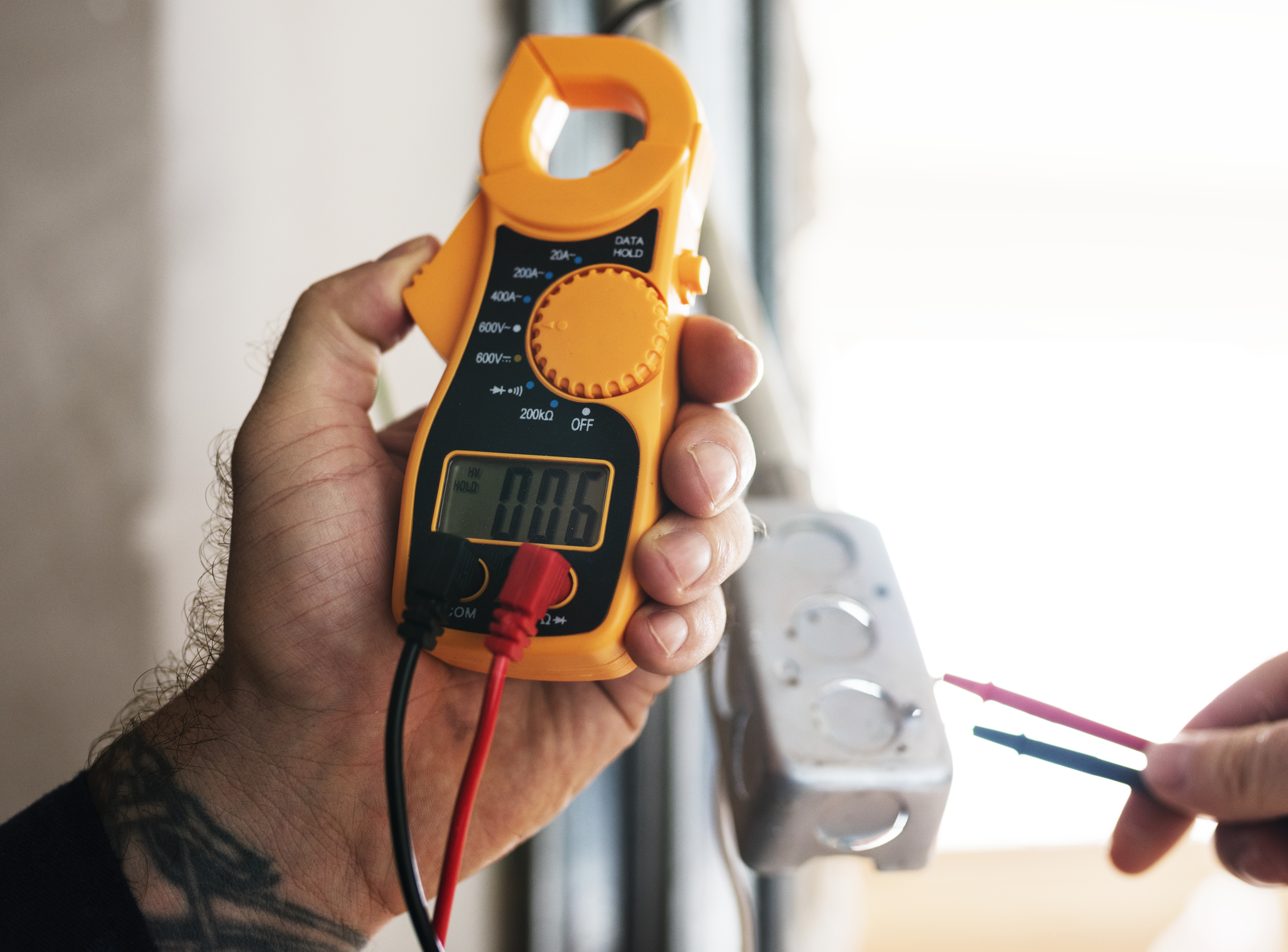
They may need to use multimeters, oscilloscopes and multimeters to assess the condition of industrial equipment. They can also utilize computer software to track data regarding their projects and equipment. This can assist them in making repairs quicker.
Career Path:
They can turn into electrical engineers, or even electrical contractors. They could also choose to specialize in certain kinds of work, like installing or fixing wires. This could make for a more secure career. Some electrical engineers and owners employ multiple electrical technicians to assist with the installation and maintenance tasks for various clients.